Metal Roofing Guide: Benefits, Costs & Modern Styles
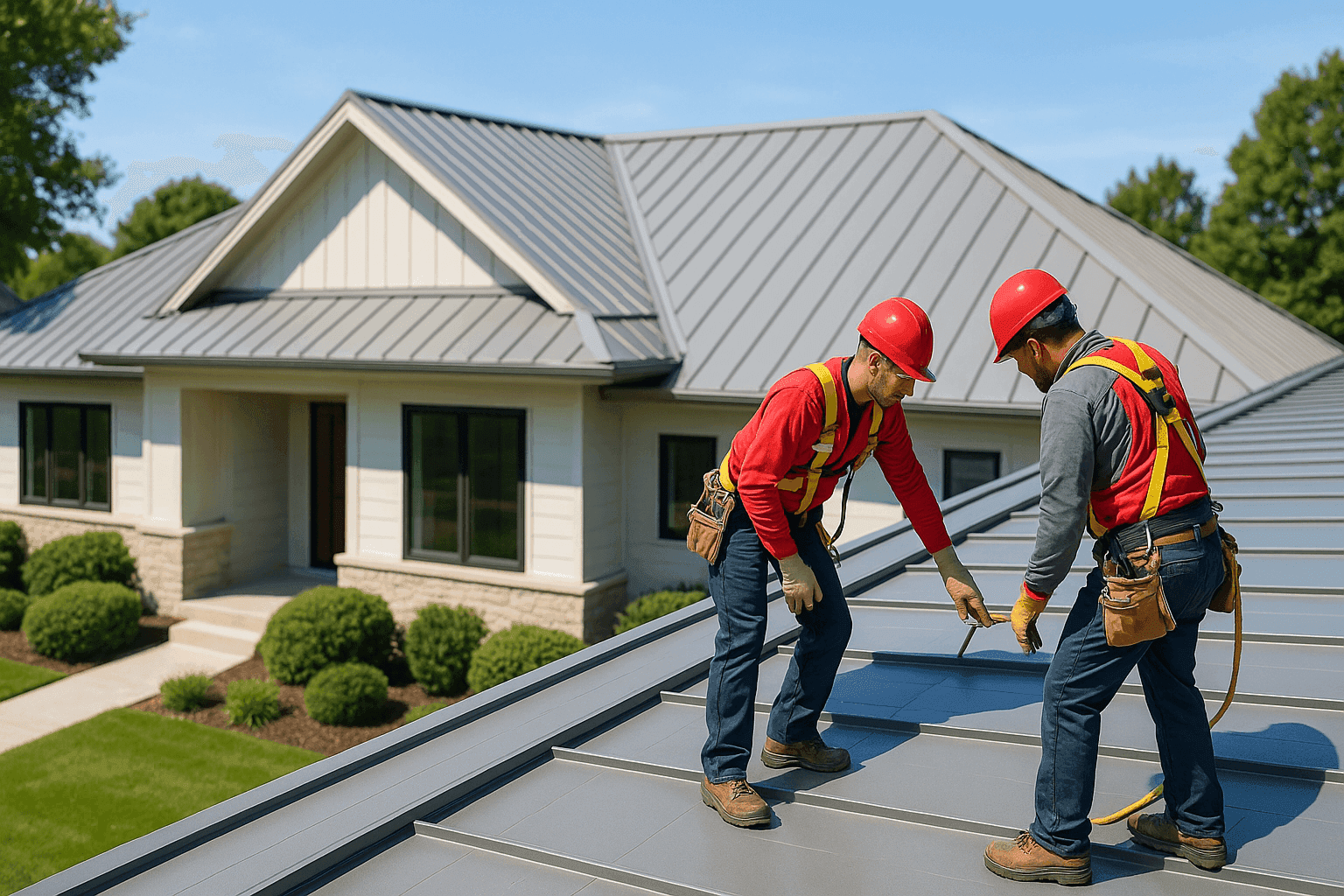
When storms hit or an old roof lets in water, you need a solution that lasts through the next decade—and beyond. You’re not just patching leaks. You’re protecting everything under your roof, from family photos to business files. At Rane Roofing & Gutters, we know the stakes are high when it comes to emergency roofing.
Metal roofing stands out as a modern answer for both homes and businesses. But is it right for you? Let’s break down the why, how, and what-ifs—so you can decide with confidence.
Why Choose Metal Roofing? 🚦
Imagine a roof that shrugs off hail, laughs at wild winds, and reflects the punishing heat of summer. That’s metal roofing. It’s like swapping out a simple umbrella for a full-on storm shield.
Top reasons home and business owners go metal:
- Longevity: Many metal roofs last 40–70 years. That’s two or three times as long as typical asphalt shingles.
- Energy Efficiency: Metal reflects sunlight, keeping attics and interiors cooler. That can lower air conditioning costs by 10–25% (per U.S. Department of Energy data).
- Durability: No cracking or warping. Resistant to rot, pests, and mildew. Designed to handle high winds, heavy rain, and snow loads.
- Eco-Friendly: Many panels contain up to 95% recycled material. When they’re finally retired, they’re 100% recyclable.
- Fire Resistance: Metal doesn’t ignite, making it safer in wildfire-prone areas.
- Modern Curb Appeal: Today’s metal roofs come in colors and textures to match nearly any style, from farmhouse to sleek urban loft.
Worried about noise? With proper insulation, a metal roof is no louder than a standard roof in a downpour. Concerned about lightning? According to the Metal Construction Association, metal roofs do not increase the likelihood of a strike and safely dissipate energy if one occurs.
Types & Styles
Metal roofing isn’t one-size-fits-all. Think of it like picking out the perfect car—different models, trims, and finishes.
Standing Seam
These roofs feature tall, elegant seams that lock panels together. The seams stand above the flat of the panel, like the spine of a book. They’re modern, watertight, and popular for both residential and commercial projects.
Corrugated Metal
Recognizable by its wavy pattern—like ocean ripples frozen in steel. Corrugated panels are rugged, affordable, and ideal for homes, barns, and industrial buildings.
Stone-Coated Metal
Want the strength of metal but the look of tile or shake? Stone-coated metal blends in with classic neighborhoods while offering top-tier performance.
More Style Options
- Shingle-style metal: Mimics asphalt shingles but outlasts them by decades.
- Tile & slate lookalikes: Perfect for Mediterranean or historic homes needing Chimney Flashing near you.
- Color choices: From bold reds to subtle grays, there’s a metal roof for every palette.
Cost Breakdown 💡
Metal roofing is an investment—one that pays off over time like planting a tree that only grows stronger.
Typical cost factors:
- Material type: Standing seam is pricier than corrugated or metal shingles.
- Finish & color: Custom colors or specialty coatings can add to the price.
- Roof complexity: Steep pitches, skylights, and multiple levels require more labor.
- Region & labor rates: Local codes and market demand affect pricing.
On average, metal roofs cost 2–3 times more upfront than asphalt shingles. But factor in lifespan and energy savings, and the long-term cost difference can shrink—or even tip in your favor.
Real-world example:
A local business installed a standing seam metal roof after repeated storm damage. Their insurance premiums dropped and summer cooling bills fell by 18% over three years.
Metal vs Other Materials
Let’s stack metal up against the usual suspects.
Metal Roofing vs. Asphalt Shingles
- Lifespan: Metal (40–70 years) vs. Shingles (15–25 years)
- Durability: Superior wind, hail, and fire resistance
- Maintenance: Occasional inspection vs. regular patching and moss removal
- Curb Appeal: Modern and customizable vs. traditional look
Metal Roofing vs. Tile
- Both last long and resist fire, but tile is heavier (often requires structural reinforcement). Metal is lighter and easier to install on most buildings.
Metal Roofing vs. Flat Roof Membranes
- Metal can be used for low-slope roofs; membranes are common on commercial buildings. Metal often has a longer lifespan if installed correctly.
| Feature | Metal Roofing | Asphalt Shingles | Tile/Slate | Flat Roof Membrane | |------------------|-------------------|--------------------|--------------------|----------------------| | Lifespan | 40–70 years | 15–25 years | 40–100+ years | 10–30 years | | Fire Resistance | High | Low–Medium | High | Medium | | Energy Savings | Yes | Limited | Limited | Some | | Eco-Friendly | Yes | Not usually | Yes | Sometimes | | Upfront Cost | Higher | Lower | Highest | Medium | | Maintenance | Low | Moderate | Low–Medium | Moderate |
Addressing Common Concerns
Is metal roofing noisy in rain or hail?
If installed with modern insulation and attic decking, a metal roof isn’t louder than other roofs. It’s like listening to rain on a car with the windows up—soothing, not startling.
Does metal attract lightning?
No. The National Fire Protection Association confirms that metal roofing does not increase lightning risk. In fact, it disperses electrical energy safely.
Will a metal roof rust?
Modern coatings (like Kynar 500®) protect against rust and fading, even in coastal climates. Regular inspections keep everything in top condition.
What about fire?
Metal roofing is non-combustible and holds a Class A fire rating—the highest available.
Real-Life Case Study
Residential:
A family in a wooded neighborhood faced annual repairs after hailstorms. We installed a stone-coated steel roof, added new gutters, and improved attic insulation. Five years later, their roof remains leak-free, and they report quieter nights during rain.
Commercial:
A retail center struggled with flat roof leaks and rising cooling costs. Switching to a standing seam metal roof solved water entry issues and led to a 15% drop in energy use during peak summer months.
Manufacturer Warranties & Rane’s Experience 🏆
Most major manufacturers back their metal products with 30–50 year warranties. Some also cover paint finishes against fading or chalking. At Rane Roofing & Gutters, we’ve installed metal roofs on everything from historic homes to bustling warehouses—always following International Building Code (IBC) and Occupational Safety and Health Administration (OSHA) guidelines.
You’ll also find eco-friendly options, like cool roof coatings and recycled-content panels, for those focused on sustainability.
Practical Tips for Metal Roof Owners
- Schedule annual inspections—especially after storms.
- Clean gutters and downspouts to prevent water backup and ice dams.
- Address minor scratches or dings with matching paint or sealant.
- Check flashing around chimneys and skylights for tight seals (Rane can handle Chimney Flashing near you).
- Trim nearby trees to avoid scratches from branches.
FAQ
Q: Can I walk on my metal roof?
A: With care, yes—but stick to the panel ribs and wear soft-soled shoes. Better yet, call a pro for inspection or maintenance.
Q: How do snow and ice affect metal roofs?
A: Snow slides off more easily, reducing heavy loads. In snowy climates, snow guards may be added to prevent sudden avalanches.
Q: Are metal roofs suitable for flat roofs?
A: Yes, with specialized systems. Rane Roofing & Gutters can advise on the best options for your building’s pitch and use.
Q: Do I need to replace gutters with a new metal roof?
A: Not always, but it’s wise to inspect and upgrade gutter systems for best drainage. We offer gutter installation and repair to match your new roof.
Ready to Upgrade?
Metal roofing offers lasting protection, bold style, and real savings. Whether you own a home, manage a business, or need emergency roofing or Chimney Flashing near you, Rane Roofing & Gutters has the know-how and service to match.
Call Rane Roofing & Gutters now — or reach us anytime at 888-984-8044 .