Roof Replacement vs. Repair: How to Decide What’s Best for Your Property
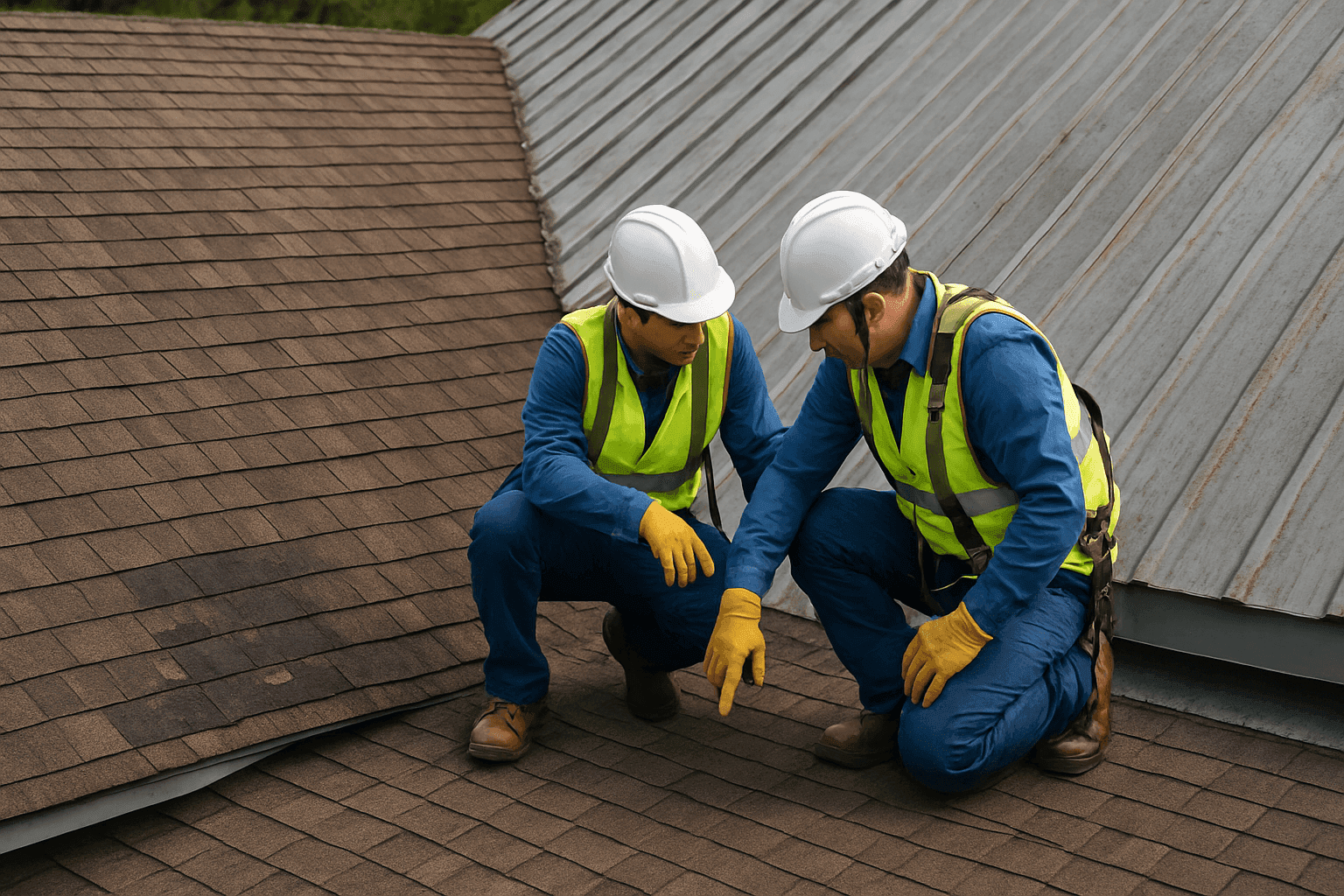
When you spot a water stain on the ceiling or find shingles scattered in your yard after a storm, stress follows close behind. Should you patch things up or start over with a new roof? The answer isn’t always obvious.
At Rane Roofing, we know the stakes are high—especially when leaks threaten your home or business. Our team handles everything from emergency roofing to Skylight Installation near you, guiding property owners through tough decisions every day. Let’s break down what you need to know.
Common Reasons for Roof Damage 🏚️
Every roof tells a story. Some age gracefully, others wear out before their time. Here’s what often puts roofs at risk:
- Weather Extremes: Heavy winds, hail, pounding rain, and ice take a toll. Even the sun’s UV rays can dry out and crack roofing materials over time.
- Age: Like tires or paint, roofing materials have a shelf life. Asphalt shingles usually last 15–30 years (National Roofing Contractors Association). Metal, tile, and flat roofs differ, but nothing lasts forever.
- Poor Installation: A rushed job or skipped steps—like improper flashing or low-quality fasteners—can doom a new roof from day one.
- Material-Specific Issues:
- Shingle: Curling, cracking, or granule loss.
- Metal: Rust, loose seams, or denting.
- Tile: Broken, slipped, or missing tiles.
- Flat: Ponding water, blisters, or seam splits.
Commercial buildings face unique challenges, too. Flat roofs can collect water. Large surface areas mean more places for trouble to hide. Residential properties, on the other hand, often battle tree debris, clogged gutters, and wildlife intrusions.
Repair or Replace? Key Warning Signs
It’s tempting to hope for a quick fix, but some symptoms signal bigger problems. Here’s what to watch for:
- Persistent Leaks: If you’re chasing leaks every rainy season, the trouble might run deep—think hidden rot or failing flashing.
- Widespread Shingle or Tile Loss: A patch here and there is one thing. When entire sections are bare, a replacement could save you money long-term.
- Sagging or Uneven Areas: This hints at structural issues beneath the surface—never ignore a dipping roofline.
- Daylight in the Attic: If sunlight peeks through boards or joints, water and pests aren’t far behind.
- Mold or Water Stains Inside: Chronic moisture leads to more than stains. It can weaken framing or even cause health risks.
For Homeowners
- Review your home’s age and past repairs.
- Walk around after storms. Look for debris, granules, or lifted materials.
- Check attic insulation for wet spots.
For Commercial Properties
- Inspect flat roofs for pooling or soft spots.
- Prioritize regular, documented inspections—especially if you lease space.
- Check HVAC and vent penetrations for signs of wear.
Cost and Timeline Comparison 💸
Budget is often the deciding factor. Here’s what to expect:
Repairs
- Cost: Minor fixes (shingles, flashing, sealant) may run a few hundred to a couple thousand dollars, depending on scope.
- Timeline: Most repairs finish in a day or two, barring weather delays.
Replacement
- Cost: Full roof replacement is a larger investment—think thousands to tens of thousands, depending on size, material, and complexity. The National Association of Home Builders (NAHB) offers lifespan and cost benchmarks by material.
- Timeline: Residential replacements typically take 1–5 days. Commercial jobs or specialty roofs (like tile or metal) can stretch longer, especially if decking or structural repairs are needed.
What Affects Costs and Duration?
- Roof size and pitch (steep roofs are trickier).
- Choice of material (metal and tile cost more than asphalt).
- Accessibility (tight spaces or multiple stories mean more labor).
- Weather delays—especially in rainy or icy seasons.
Long-Term Value and Maintenance
A well-kept roof is like a well-oiled engine—it runs longer, costs less, and gives fewer surprises.
Why Preventative Care Pays Off
- Routine Inspections: Catch issues early—before they grow roots.
- Gutter Cleaning: Prevents water from backing up and rotting edges.
- Sealants & Flashing Checks: These “seams” are first to fail.
- Ventilation & Insulation: Keeps moisture and heat in check, prolonging shingle and decking life.
The Hidden Costs of Waiting
Delaying a necessary replacement can balloon costs:
- Water intrusion leads to mold, insulation damage, and ruined drywall.
- Structural rot or decking failure means you’re repairing more than just the roof.
- Insurance may not cover damages if neglect is found.
Tip: Budgeting for a new roof? Start by reviewing your current roof’s age and ask for an inspection from a licensed contractor. The International Association of Certified Home Inspectors (InterNACHI) offers helpful lifespan estimates.
Self-Assessment Checklist
Is it time to repair or replace? Use this quick list:
- Are leaks frequent and unpredictable?
- Can you spot missing or curling shingles from the ground?
- Is your roof nearing the end of its expected lifespan?
- Does your attic smell musty or show water stains?
- Are energy bills rising with no clear cause?
If you check two or more, call in a pro for an assessment.
Professional Assessment: Why It Matters
DIY fixes might buy you time, but some issues hide in plain sight. A professional knows where to look—under shingles, at flashings, in the attic, and along gutters. They bring knowledge of local code, manufacturer specs, and safety best practices.
For emergency roofing, speed matters. But so does accuracy. A pro ensures the right solution—whether a quick patch, targeted repair, or full replacement—saving you time, money, and headaches.
Planning Your Roofing Project
Here’s how to prepare:
- Get Multiple Quotes: Prices and timelines can vary.
- Ask About Materials: Not all shingles or coatings are created equal.
- Plan for Weather: Aim for dry seasons if possible.
- Review Permits: Some municipalities require them for major work. The International Building Code (IBC) offers guidelines on safety and installation.
FAQs
How do I know if my roof just needs a repair?
If damage is isolated (one section, or a few shingles/tiles), and your roof is young with no history of leaks, a repair might be enough.
When is replacement better?
If repairs are frequent, damage is widespread, or your roof is nearing its expected lifespan, replacement is often the better investment.
Can I stay in my home or building during a roof replacement?
Usually, yes. For most residential jobs, disruption is minimal. Commercial spaces may need to adjust operations for safety reasons.
How do I finance a new roof?
Ask your contractor about payment plans, and check if insurance covers storm or accidental damage (but not wear-and-tear).
Local and Seasonal Considerations 🌦️
Roofs in humid or storm-prone areas face extra pressure. In regions with heavy snowfall or freeze-thaw cycles, ice dams and cracked shingles are common. Urban properties may battle pollution and heat. Schedule inspections seasonally—especially after storms or before winter.
For businesses, plan major work during slow periods to minimize disruption. For homes, consider the timing of gutter cleaning, skylight installation, or insulation upgrades alongside your roofing project.
Every property is different, but the path to a safe, durable roof starts with the right information and a trusted partner. Whether you need emergency roofing, Skylight Installation near you, or a full replacement, Rane Roofing is here to help.
Call Rane Roofing now — or reach us anytime at 888-984-8044 .