How to Spot and Fix Roof Decking Issues Before They Worsen
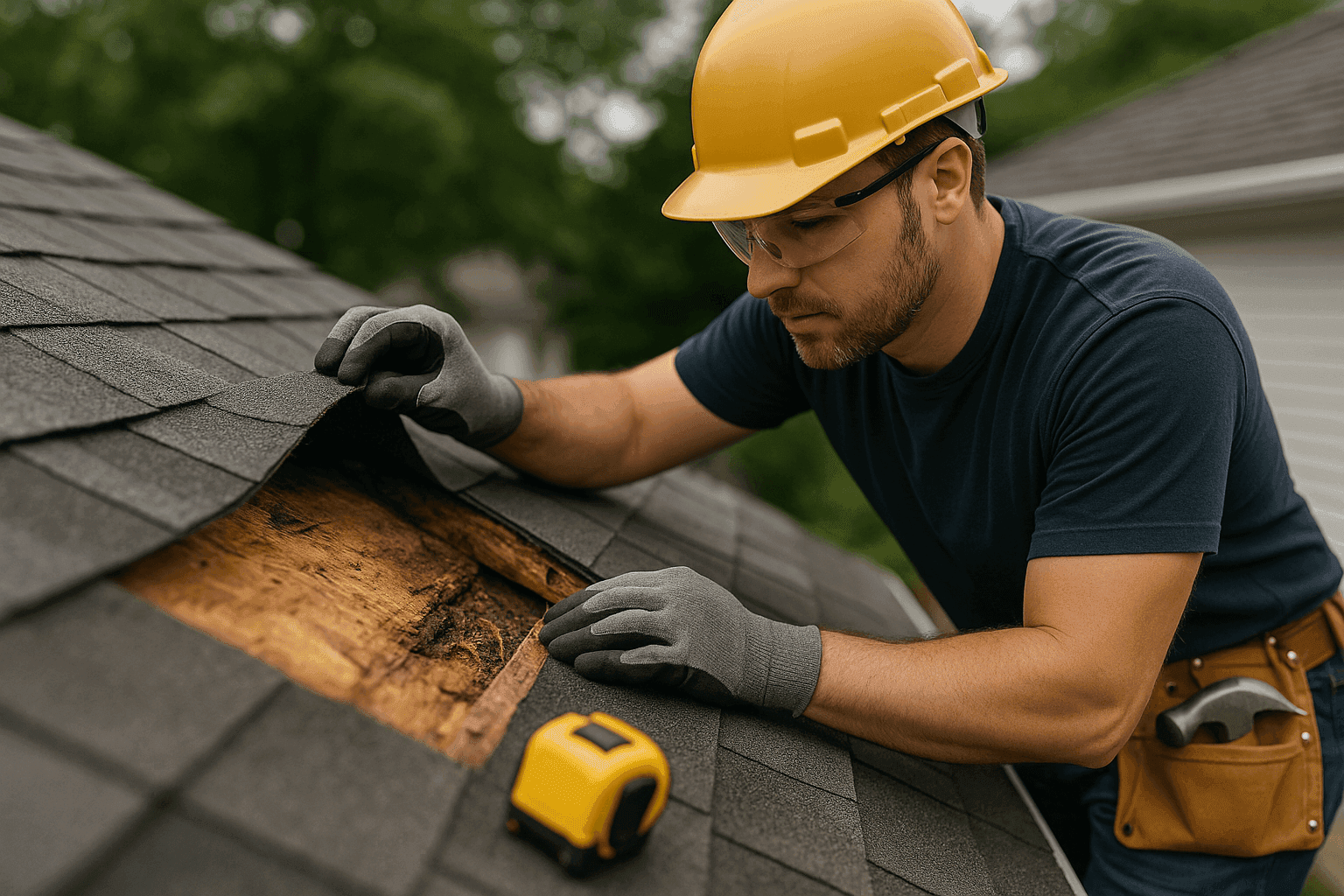
Your roof is more than shingles and nails. Underneath, there’s a hidden backbone—roof decking—that keeps everything steady and strong. When decking fails, the whole roof can quickly become a headache or even a danger.
At Rane Roofing, we see how fast small roof decking issues turn into big, expensive emergencies. Let’s walk through how to spot early warning signs, what you can safely check yourself, and when it’s time to call in emergency roofing help.
Why Roof Decking Matters
Think of roof decking as the bones beneath your roof’s skin. It’s the flat wood or composite boards that support all the layers above—shingles, underlayment, insulation, and more. If the decking weakens, your roof loses its strength.
Water, wind, and time are the main enemies. When decking goes bad, you might see leaks, sagging, or even structural risks. The sooner you spot trouble, the safer—and less expensive—your fix will be.
Common Signs of Roof Decking Trouble
Spotting roof decking issues early is like catching a leak before it floods your kitchen. Here’s what to look for:
- Sagging Spots: Does your roofline dip or look uneven? That’s a red flag.
- Water Stains or Marks: Brownish stains on ceilings or walls often mean water has seeped through.
- Soft or Spongy Areas: If the roof feels bouncy underfoot (don’t walk on it unless you know it’s safe!), the decking may be rotting.
- Musty Smells: A damp, earthy odor in your attic could signal hidden water damage.
- Visible Mold or Mildew: These thrive where water sneaks in.
- Nails Popping Out: Fasteners backing out of shingles or flashing could mean the wood underneath is swelling or shrinking.
If you notice any of these, it’s time to take a closer look.
Quick Safety Checklist Before You Inspect 🦺
Before you grab a ladder, pause. Roof inspections can be risky. Protect yourself with these safety basics:
- Use a sturdy, well-placed ladder on level ground.
- Never go on the roof when it’s wet, icy, or windy.
- Wear shoes with good traction.
- Have a friend or family member nearby in case you need help.
- Use binoculars for a ground-level view if possible.
- Don’t step on visibly sagging or damaged areas.
If in doubt, stay off the roof and call for professional help.
How to Do a Basic Visual Roof Decking Inspection
You don’t need to be a roofer to spot trouble. Here’s a simple step-by-step:
- Walk Around the House: Look up at the roofline. Notice any dips, warps, or uneven spots?
- Check Inside the Attic: With a flashlight, look for water stains, mold, or daylight peeking through boards.
- Look for Water Trails: Follow any stains on ceilings or walls to their highest point.
- Inspect Gutters and Downspouts: Overflow or blockages can lead to water pooling and decking rot.
- Listen for Creaks: Strange noises when wind hits the roof can signal loose or weakened decking.
Remember: Never pry up shingles or panels yourself. That can make things worse.
DIY Fixes vs. When to Call a Pro
It’s tempting to patch a problem yourself, but roof decking repairs are rarely simple. Here’s how to decide:
When DIY Might Work
- Small, isolated water stains in the attic (if you’re comfortable replacing minor insulation or sealing gaps).
- Cleaning gutters and downspouts to stop overflow.
When to Call Rane Roofing
- Large or spreading stains.
- Any signs of sagging, soft spots, or mold.
- Leaks that keep coming back after patching.
- Storm or tree damage.
- If you’re unsure about safety or the extent of damage.
Decking repairs often require removing roofing layers, replacing damaged boards, and restoring waterproof barriers—work best left to experienced teams.
What the Pros Do When They Arrive
When you call Rane Roofing for emergency roofing or decking concerns, here’s what to expect:
- Thorough Inspection: We check the roof’s surface, attic, and decking for all signs of trouble—using industry-standard safety practices (see OSHA Fall Protection Guidelines).
- Moisture Detection: Tools like moisture meters help us find hidden rot or dampness.
- Damage Assessment: We determine if repairs are possible or if full decking replacement is needed.
- Clear Explanation: We walk you through what we found—no jargon, no scare tactics.
- Repair or Replace: We fix minor issues or, if needed, remove and replace affected decking, underlayment, and roofing materials.
- Prevent Future Issues: We recommend steps to keep your roof healthy long-term.
What Causes Roof Decking Damage?
Knowing the culprits helps you defend your home or business:
- Moisture Intrusion: Leaky shingles, flashing, or skylights let water seep in.
- Poor Ventilation: Without airflow, condensation builds up and rots decking from below.
- Storm Damage: High winds, hail, or falling branches can crack or break decking.
- Clogged Gutters: Water backs up, soaking the roof’s edge.
- Aging Materials: Over time, even the best decking will weaken.
The National Roofing Contractors Association (NRCA) and International Building Code (IBC) both stress the importance of regular inspections and proper ventilation to prevent these problems.
Prevention & Maintenance: Keep Decking Strong
A little care goes a long way. Here’s how to keep decking issues at bay:
- Annual Roof Inspections: Schedule a professional checkup at least once a year.
- Keep Gutters Clear: Clean gutters and downspouts every season.
- Trim Overhanging Trees: Reduce the risk of falling branches and moss buildup.
- Check Attic Ventilation: Make sure vents aren’t blocked by insulation or debris.
- Watch for Small Leaks: Fix drips and stains right away—don’t wait for disaster.
Preventative maintenance is like regular oil changes for your car. It keeps everything running smoothly and saves you from emergency roofing calls down the road.
Costs & Time Factors
Every roof is unique, but here’s what to expect:
- Minor Repairs: Patching small areas or replacing a few boards can often be done in a day.
- Full Decking Replacement: Larger jobs may take several days, especially if there’s major water or structural damage.
- Cost Factors: Size of the roof, extent of damage, material type, and accessibility all play a role.
- Insurance: Some decking repairs may be covered if caused by storms or sudden events—check your policy.
Investing in early repairs always costs less than waiting until a crisis hits.
When It’s an Emergency 🚨
Some decking problems can’t wait:
- Roof Collapse Risk: If you see severe sagging, bowing, or hear creaking sounds, get out and call for help immediately.
- Active Leaks During Storms: Water pouring in can quickly lead to structural damage.
- Visible Mold Growth: Mold spreads fast and can harm your health.
- Fire Damage: Any sign of charring or burnt wood needs urgent attention.
Rane Roofing’s emergency roofing team is available around the clock to handle urgent decking and roof repairs.
FAQ: Roof Decking Issues
How often should roof decking be inspected?
At least once a year, and after major storms. The NRCA recommends regular checks to catch problems early.
Can I replace just a section of damaged decking?
Yes, if the damage is limited. But widespread rot or structural problems often require full replacement.
Will my roof leak if the decking is damaged?
Possibly. Damaged decking weakens the roof’s ability to keep out water, leading to leaks and bigger issues.
Is mold on roof decking dangerous?
Yes. Mold can damage wood and pose health risks. It needs professional removal and repair.
Special Considerations for Roof Decking Repairs
- Building Codes: Repairs must meet current building codes for safety and durability.
- Material Choices: Plywood, OSB, and specialty boards each have pros and cons—your roofer will recommend the best fit.
- Eco-Friendly Options: Ask about sustainable materials or coatings for a greener roof.
- Ventilation & Insulation: Proper airflow and insulation protect decking from future moisture damage.
- Commercial vs. Residential: Business roofs may have different decking needs than homes—custom solutions matter.
A strong, healthy roof starts from the inside out. Don’t let hidden decking issues put your property at risk.
Call Rane Roofing now — or reach us anytime at 888-984-8044 .