How to Prepare Your Roof for Winter: Essential Tips for Homeowners
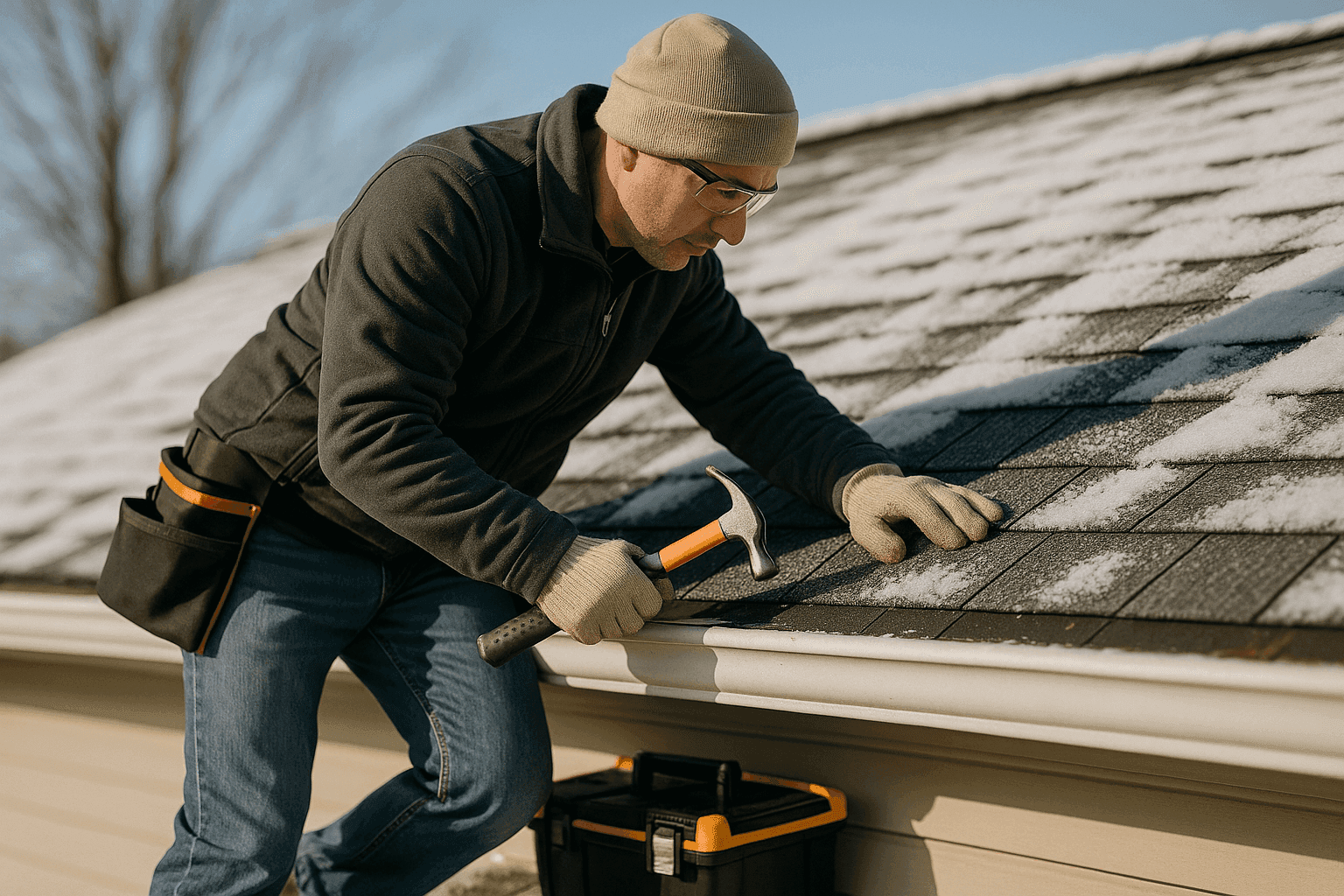
Winter is just around the corner. As the days get shorter and the air turns crisp, your roof stands between you and the chill. It’s easy to forget about what’s overhead—until a leak or ice dam reminds you the hard way.
At Rane Roofing, we’ve seen how a little preparation can save homeowners from big headaches. Here’s how you can get your roof winter-ready, spot trouble before it starts, and know when to call in the emergency roofing pros.
Why Winter Roof Preparation Matters ❄️
Think of your roof as a helmet for your home. When winter storms roll in, that helmet takes the brunt—rain, snow, freezing winds, and all. If there’s a crack or weak spot, water can sneak in, freeze, and expand. That’s the freeze-thaw cycle, and it’s notorious for turning small issues into big, expensive ones.
Ice dams—those ridges of ice that form at the edge of your roof—can trap melting snow. Water backs up behind the dam and can seep under shingles, damaging insulation, ceilings, and walls. According to the International Association of Certified Home Inspectors (InterNACHI), unchecked ice dams are a leading cause of winter roof leaks.
A well-prepared roof keeps your home warm, dry, and safe. It also protects your wallet from emergency repairs.
Step-by-Step Roof Inspection Checklist
Catching problems early is like finding a loose shoelace before you trip. Here’s what to look for before winter hits:
- Shingles: Look for missing, cracked, or curling shingles. Even one damaged shingle can be an entry point for water.
- Flashing: Check metal strips around chimneys, skylights, and vents. Gaps or rust can let moisture sneak in.
- Gutters & Downspouts: Clear out leaves, twigs, and debris. Make sure water flows freely and downspouts direct water away from your foundation.
- Ventilation: Peek in your attic. Good airflow prevents moisture buildup and helps stop ice dams.
- Insulation: Check for bare spots or thinning insulation. Consistent coverage keeps heat inside and cold out.
- Sealants & Coatings: Inspect for cracked or peeling sealant around joints and seams.
- Skylights & Chimneys: Look for signs of leaks, like water stains or damp spots.
Don’t forget safety. If you’re not comfortable climbing a ladder or walking on your roof, call a roofing professional. The National Roofing Contractors Association (NRCA) recommends annual inspections by a qualified expert.
Essential Maintenance Tasks
Once you’ve checked your roof, it’s time to roll up your sleeves. Here are the most important jobs to tackle:
Gutter Cleaning
Clogged gutters are like clogged arteries—they stop the flow. Clean out leaves and debris so melting snow and rain can drain properly. Use gloves and a sturdy ladder, and flush gutters with a garden hose.
Sealing Cracks
Look for small cracks in sealant or flashing. Use roofing caulk or sealant to patch them up. Focus on areas around chimneys, skylights, and vents.
Insulation Improvements
If your attic insulation is thin or patchy, add more. The U.S. Department of Energy recommends at least 10–14 inches of insulation for most homes. This not only keeps your home warm but also helps prevent ice dams by keeping heat from escaping through the roof.
Downspout Installation and Repair
Make sure downspouts are securely attached and extend at least three feet from your home’s foundation. Repair any leaks or loose connections.
Preventative Maintenance
- Trim tree branches that hang over your roof. Falling limbs can cause major damage during snow or ice storms.
- Check for signs of animal activity—squirrels and birds can make nests in vents or under loose shingles.
- Apply roof coatings or sealants if recommended by your manufacturer.
Emergency Preparedness: What to Do If Damage Happens 🌧️
Winter storms don’t wait for a convenient time. If you spot a leak, sagging ceiling, or water stains, act fast:
- Contain the Water: Place buckets or towels under leaks to prevent more damage.
- Clear the Area: Move valuables and furniture away from the affected spot.
- Document the Damage: Take photos for insurance purposes.
- Call Emergency Roofing Services: Some issues can’t wait. Emergency roofing teams like Rane Roofing are equipped to respond quickly, even in harsh winter conditions.
If you suspect structural damage or see signs of a roof collapse (like bowing ceilings or cracking noises), leave the area and call for help immediately.
Step-by-Step Roof Inspection Checklist
Let’s break down the inspection process into manageable steps:
1. Visual Ground Inspection
Walk around your home and look up. Note any missing shingles, sagging spots, or debris buildup.
2. Gutter and Downspout Check
Use gloves to remove leaves and debris. Confirm water flows freely and downspouts direct water away from your home.
3. Attic and Ceiling Review
Go inside and look for water stains, mold, or damp insulation. These are early warning signs of leaks.
4. Flashing and Sealant Inspection
Look closely at metal flashing around chimneys, vents, and skylights. Check for gaps, rust, or cracked sealant.
5. Structural Assessment
If you notice sagging or uneven rooflines, it could signal a deeper problem. This is the time to call a professional.
Essential Maintenance Tasks
Routine care is your best defense against winter surprises. Here’s what to do before the cold sets in:
- Clean Gutters: Prevent ice dams and water overflow.
- Seal Cracks: Stop leaks before they start.
- Add Insulation: Keep heat in and cold out.
- Repair Flashing: Ensure all joints are watertight.
- Secure Downspouts: Direct water safely away from your foundation.
- Trim Trees: Remove branches that could break and damage your roof.
Emergency Preparedness
Winter storms can hit hard and fast. Here’s how to be ready:
- Know Your Shutoffs: Know where your main water and power shutoffs are in case of leaks or electrical hazards.
- Keep Emergency Supplies: Flashlights, buckets, tarps, and towels can buy you time until help arrives.
- Have a Roofing Pro on Speed Dial: Quick access to emergency roofing services can make all the difference.
DIY vs. Calling a Professional
Some tasks are safe for handy homeowners—like cleaning gutters or checking attic insulation. But climbing on a steep or icy roof is risky. According to OSHA, falls are a leading cause of home repair injuries.
Call a professional if you:
- See significant shingle damage or missing sections
- Notice leaks near electrical fixtures
- Suspect structural problems
- Aren’t comfortable working at heights
Professionals have the tools, safety gear, and know-how to spot hidden issues and fix them right.
What Pros Do On Arrival
When a Rane Roofing technician arrives, here’s what to expect:
- Thorough Inspection: We assess the entire roofing system, inside and out.
- Leak Detection: Using moisture meters and thermal imaging, we find hidden water entry points.
- Immediate Repairs: Emergency patching or tarping to prevent further damage.
- Detailed Report: You’ll get a summary of findings and recommended next steps, following guidelines from organizations like the National Roofing Contractors Association.
Prevention & Maintenance
An ounce of prevention is worth a pound of cure. Here’s how to make roof maintenance a habit:
- Schedule Annual Inspections: A professional eye catches problems early.
- Keep Gutters Clear: Clean at least twice a year, or more often if you have overhanging trees.
- Upgrade Insulation: Proper insulation protects against both leaks and high energy bills.
- Use Quality Materials: Follow manufacturer recommendations for sealants, shingles, and coatings.
- Document Changes: Keep records of repairs and inspections for insurance and warranty purposes.
Costs & Time Factors
Roof work is an investment in your home’s future. Here’s what to expect:
- Time: Basic maintenance (like gutter cleaning) can take a few hours. Full inspections or repairs may take a day or more, depending on roof size and complexity.
- Costs: Prices vary by roof type, materials, and extent of work. Minor repairs cost less than emergency fixes or full replacements. Emergency roofing services may carry a premium for rapid response, especially during storms.
- Value: Preventative care is almost always less expensive than repairing major winter damage.
When It’s an Emergency 🚨
Not every problem is urgent, but some need immediate attention:
- Active Leaks: Water dripping inside your home during a storm.
- Sagging or Bowed Ceilings: Signs of potential collapse.
- Exposed Roof Decking: Missing shingles after a storm.
- Electrical Hazards: Water near outlets or fixtures.
If you see these, call emergency roofing services right away. Quick action can prevent further damage and protect your family’s safety.
FAQ: Winter Roofing Questions
How often should I inspect my roof before winter?
At least once a year, ideally in late fall. If you’ve had recent storms or notice issues, inspect sooner.
Can I remove ice dams myself?
It’s risky. Chipping away at ice can damage shingles, and working on a slippery roof is dangerous. Use a roof rake from the ground, or call a professional.
What’s the best insulation for winter roof protection?
Fiberglass batts or blown-in cellulose are common choices. Follow manufacturer and U.S. Department of Energy recommendations for your climate.
How do I know if my attic is properly ventilated?
Signs of poor ventilation include musty smells, mold, or frost on rafters. A roofing pro can assess and recommend improvements.
Special Considerations for Winter Roof Care
- Flat Roofs: These are more prone to pooling water and ice buildup. Regular inspections are crucial.
- Metal Roofing: Durable, but seams and fasteners need checking for leaks.
- Tile and Shingle Roofs: Cracks or missing pieces can quickly lead to water intrusion.
- Eco-Friendly Options: Ask about reflective coatings or recycled materials for energy savings and sustainability.
- New Construction: Building a new roof? Make sure your contractor follows current building codes and uses materials rated for winter weather.
Each roof is unique. Manufacturer guidelines and industry standards (like those from the NRCA and International Building Code) offer valuable direction for safe, long-lasting performance.
Ready to winter-proof your home? Call Rane Roofing now — or reach us anytime at 888-984-8044 .