How to Identify and Fix Roof Ventilation Problems Before They Escalate
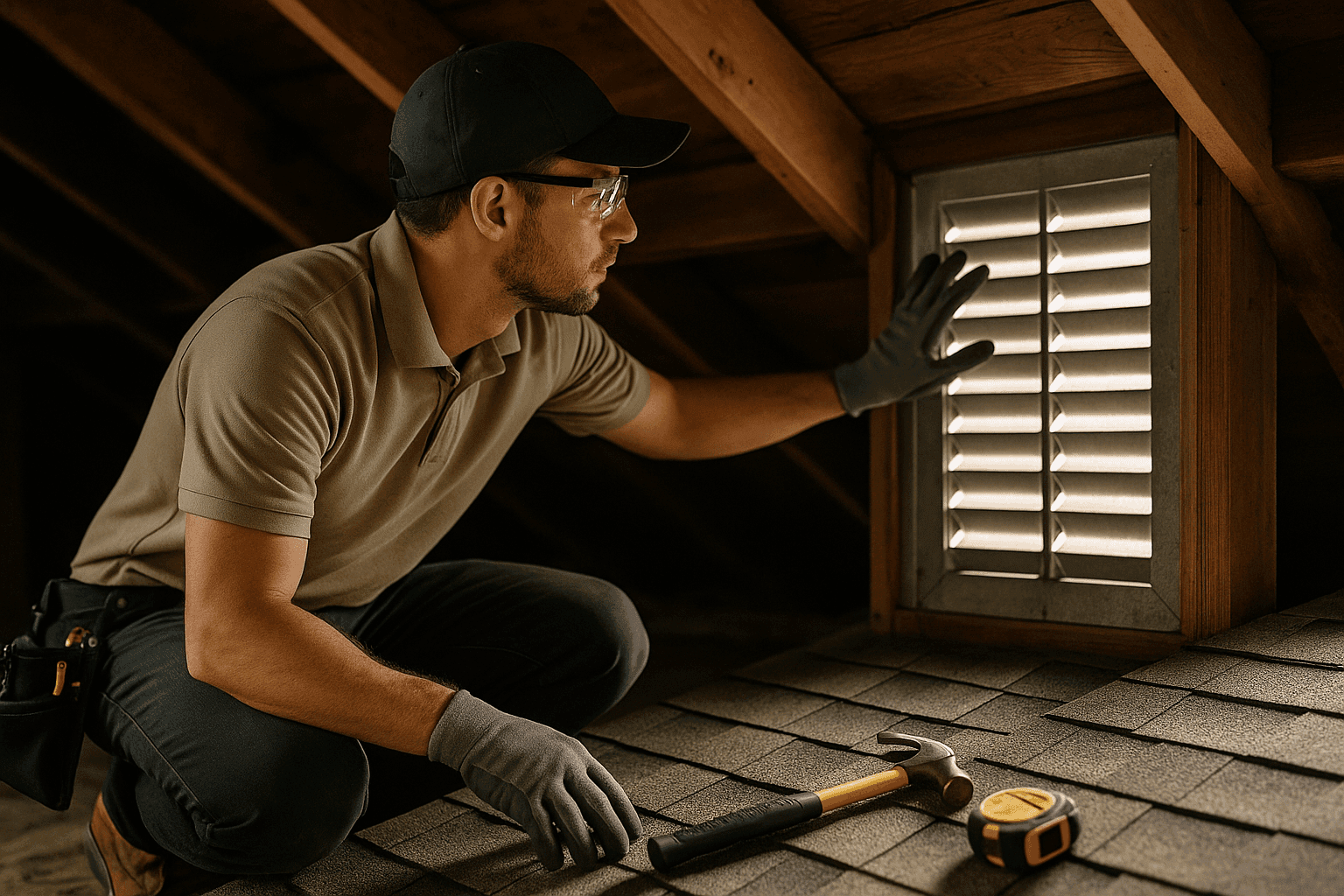
When your attic feels like a sauna or your ceiling drips in winter, it’s easy to feel overwhelmed. Roof ventilation problems can sneak up quietly, then hit hard—ruining insulation, warping wood, or even inviting mold. At Rane Roofing, we know how fast a small vent issue can turn into an emergency roofing situation.
You don’t need to be an expert to spot the warning signs. With a few simple checks, you can catch ventilation problems before they spiral out of control. Let’s walk through what to look for, how to act, and when to call in the pros.
Why Roof Ventilation Matters
Think of your roof as a hat for your house. If it’s too tight, things get sweaty. If it’s too loose, you lose warmth. Proper ventilation keeps your attic breathing, balancing heat and moisture so your roof—and your comfort—stay intact.
Good ventilation:
- Lowers attic temperatures in summer, reducing AC strain
- Prevents moisture buildup that can rot wood and ruin insulation
- Reduces the risk of mold and mildew
- Helps avoid ice dams in winter, which can cause leaks and structural damage
The International Residential Code (IRC) recommends a minimum of 1 square foot of ventilation for every 150 square feet of attic floor space. That’s not just a suggestion—it’s a proven standard for healthy roofs.
Signs Your Roof Ventilation Needs Attention 🕵️
Ventilation problems rarely announce themselves. Instead, they leave clues. Here’s what to watch for:
- Hot, Stuffy Attic: If your attic is hotter than the rest of the house, especially on mild days, ventilation may be blocked or insufficient.
- Moisture or Condensation: Damp insulation, wet wood, or water stains in the attic signal trapped moisture.
- Mold or Mildew: Black spots on rafters or insulation mean moisture is lingering—often due to poor airflow.
- Peeling Paint or Wallpaper: Excess humidity can seep down from the attic, causing finishes to bubble or peel.
- Ice Dams in Winter: Large icicles or thick ridges of ice along the eaves indicate heat is escaping into the attic, melting snow, and refreezing at the roof’s edge.
- Rusty Nails or Fasteners: Corrosion in the attic points to ongoing moisture issues.
If you spot any of these, don’t ignore them. Even a small patch of mold or a bit of condensation can signal bigger trouble brewing above.
Quick Safety Checklist Before You Inspect
Before you climb up or poke around the attic, take a minute to stay safe:
- Wear sturdy shoes with good grip.
- Use a strong flashlight—attics are dark and tricky.
- Watch for exposed nails, loose boards, or low-hanging wires.
- Wear a dust mask and gloves to protect from insulation and debris.
- Never walk directly on insulation or between rafters—step only on solid framing.
- If you see signs of animals or large mold patches, stop and call a professional.
Safety first. A quick look is all you need—no need to take risks.
DIY Inspection: What You Can Check
You don’t need fancy tools to spot trouble. Here’s what you can do:
- Peek in the attic on a hot day. If it’s much hotter than outside, ventilation may be lacking.
- Look for daylight. You should see small slivers of light at the eaves (soffit vents) and at the ridge or gable ends.
- Check for dampness. Feel insulation and wood for moisture, especially after rain or snow.
- Sniff for musty odors. Mold and mildew have a distinct, earthy smell.
- Check soffit and ridge vents outside. Make sure they’re not blocked by leaves, nests, or paint.
If anything looks or smells off, jot it down. Photos help too. This info is handy if you need to call in a pro.
When to Call a Professional Roofer
Some fixes are simple. Others need trained hands. Call Rane Roofing if:
- You see mold, rot, or major water stains.
- There’s visible damage to vents, flashing, or roof decking.
- You notice persistent leaks or ice dams.
- You’re unsure or uncomfortable with attic inspections.
Professional roofers bring experience, safety gear, and tools to diagnose and fix problems quickly—especially in emergency roofing situations.
What Pros Do On Arrival
When you call Rane Roofing, here’s what our team typically does:
- Full Attic Inspection: We check insulation, wood, and all ventilation points for signs of trouble.
- Vent Assessment: We measure airflow, inspect for blockages, and look at vent placement and size.
- Moisture Readings: Using moisture meters, we spot hidden dampness you might miss.
- Exterior Roof Check: We examine ridge, soffit, and gable vents, plus flashing and shingles, for damage or blockages.
- Code Compliance: We ensure your ventilation meets current building codes and manufacturer recommendations.
We’ll explain what we find in plain language and outline your options—no pressure, just the facts.
Common Roof Ventilation Fixes
Ventilation isn’t one-size-fits-all. Here’s how we solve the most common problems:
Adding or Clearing Soffit Vents
Soffit vents let fresh air in at the roof’s edge. Sometimes, they’re blocked by insulation or debris. We clear them out or add more as needed.
Installing Ridge Vents
Ridge vents run along the peak of the roof, letting hot air escape. If your home doesn’t have them, adding ridge vents can make a dramatic difference.
Powered Attic Fans
In some cases, especially for complex or low-slope roofs, a powered fan helps pull hot air out quickly. These need to be installed and wired safely.
Gable Vents
Gable vents on the ends of the attic can add cross-ventilation but must be balanced so they don’t disrupt airflow from other vents.
Sealing Gaps and Improving Insulation
Proper sealing and insulation keep conditioned air where it belongs, reducing the load on your vents and your energy bills.
These solutions, when done right, prevent structural damage and help your roof last longer.
Prevention & Maintenance Tips 🛠️
A little attention goes a long way. Here’s how to keep your roof breathing easy:
- Check attic and vents twice a year—spring and fall are ideal.
- Keep soffit and ridge vents free of leaves, nests, and debris.
- Make sure insulation isn’t blocking airflow at the eaves.
- After storms, inspect for wind-blown debris or damage.
- Address leaks or dampness immediately to prevent mold.
Routine checks can save big money and headaches down the line.
Costs & Time Factors
Ventilation fixes range from quick cleanouts to more involved installations. Here’s what to expect:
- Simple vent clearing: Often completed in an hour or two.
- Adding new vents: Can take half a day to a full day, depending on roof size and complexity.
- Powered fan installation: Usually done in a day, but may require electrical work.
- Mold or moisture remediation: More extensive repairs can take several days.
Costs vary based on the job, materials, and roof access. It’s always wise to get a professional assessment.
When It’s an Emergency 🚨
Sometimes, ventilation issues can’t wait:
- Sudden leaks after a storm
- Rapid mold growth
- Severe attic heat affecting your living space
- Ice dams causing water to back up under shingles
These situations can cause major damage if ignored. Emergency roofing services are available 24/7 for urgent repairs—don’t wait if you see these signs.
Frequently Asked Questions
How often should I check my attic ventilation?
Twice a year is ideal—once in spring, once in fall. After major storms, add a quick check for debris or damage.
Can poor ventilation really increase my energy bills?
Absolutely. Trapped heat in the attic makes your AC work overtime in summer, while moisture can reduce insulation’s effectiveness in winter.
What if my roof is new? Do I still need to worry?
Yes. Even new roofs can have blocked or insufficient vents. A quick inspection gives peace of mind.
Are there eco-friendly ventilation options?
Yes. Passive vents (like ridge and soffit vents) use no electricity and are highly effective. Solar-powered attic fans are another green choice.
Special Considerations for Roof Ventilation
Every roof is unique. Here’s what to keep in mind:
- Roof shape and pitch: Steeper roofs may need different vent types than flat or low-slope roofs.
- Climate: Hot, humid summers and freezing winters each bring their own challenges. In warm seasons, focus on heat and moisture removal. In cold weather, watch for ice dams and condensation.
- Age of home: Older homes may lack proper ventilation or have outdated systems.
- Building codes: Always follow the latest standards from the International Residential Code (IRC) and the National Roofing Contractors Association (NRCA).
Don’t let roof ventilation problems catch you off guard. Spot the signs early, take action, and reach out for help when you need it.
Call Rane Roofing now — or reach us anytime at 888-984-8044 .