How to Clean Your Gutters Safely: Step-by-Step Guide
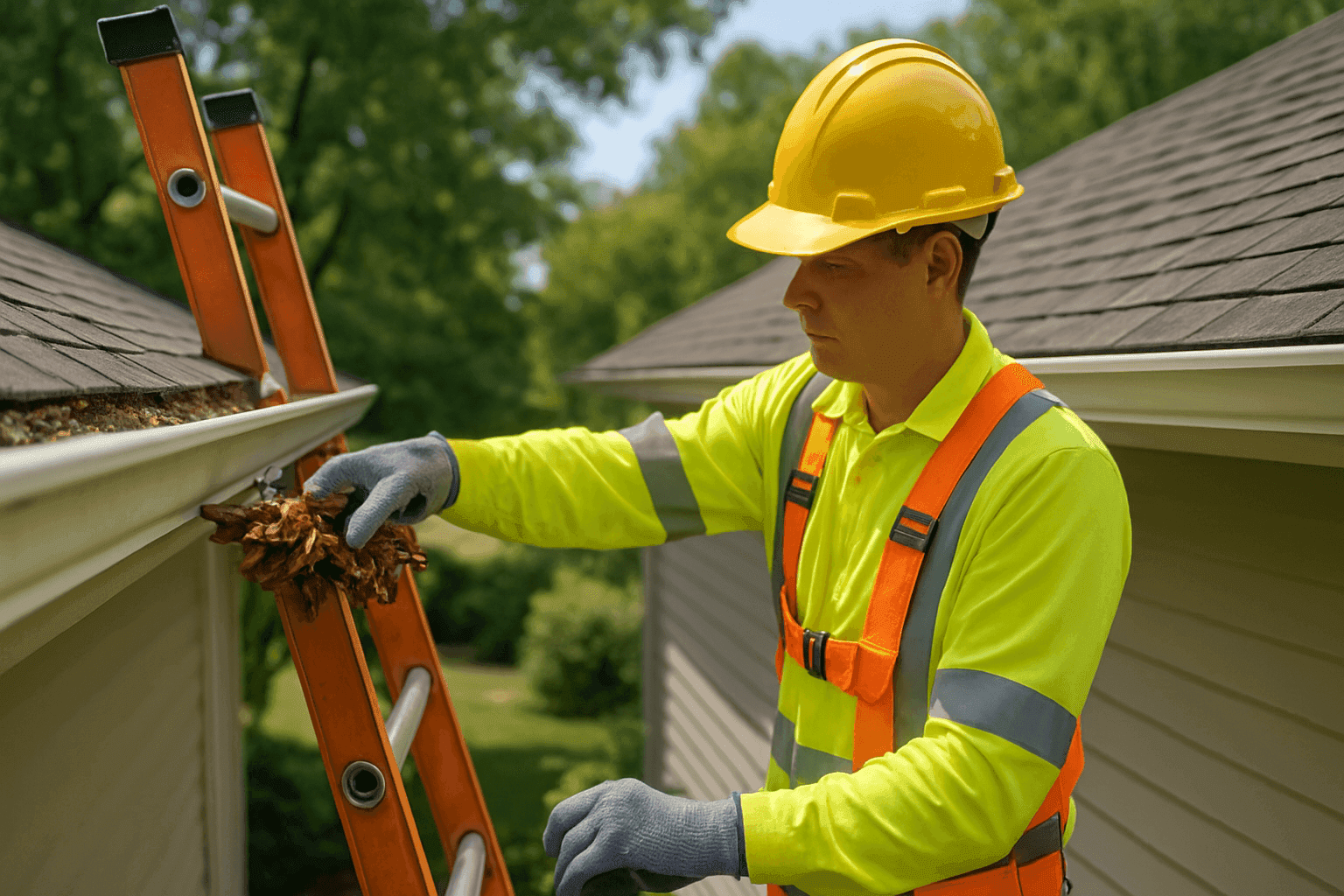
Keeping your gutters clean isn’t just about curb appeal. It’s about preventing leaks, protecting your foundation, and sparing yourself thousands in emergency roofing bills. Too many homeowners discover too late that a clogged gutter can be the first domino in a chain reaction of water damage.
At Rane Roofing & Gutters, we’ve seen it all—from fall leaves packed like wet cement to spring pollen and even winter ice dams. We know how quickly a simple cleaning chore can turn into a big, expensive mess. Let’s walk through how to clean your gutters safely, step by step.
Signs Your Gutters Need Cleaning 🍂
Think of your gutters as your home’s rain boots. When they get stuffed up, water spills everywhere. Here’s how to spot trouble before it gets serious:
- Water spilling over the edge during rain
- Sagging or pulling away from the house
- Plants sprouting in the gutters (yes, it happens)
- Visible debris, especially after storms
- Staining or streaks on siding below gutters
- Ice dams forming along the roofline in winter
If you’re seeing any of these, your gutters are overdue for attention.
Essential Tools & PPE for Gutter Cleaning
Before you pop up that ladder, make sure you have the right gear. Safety comes first—your gutters can wait, but a trip to the ER is never fun.
Basic Tools:
- Sturdy extension ladder (with stabilizer/stand-off arms)
- Work gloves (thick enough to protect from sharp edges)
- Safety glasses
- Trowel or scoop for debris
- Bucket or heavy-duty bag for disposal
- Garden hose with spray nozzle
- Rubber-soled shoes (for traction)
- Dust mask if dealing with pollen or mold
Ladder Safety Tips (per OSHA guidelines):
- Place ladder on firm, level ground. Never on mud or soft turf.
- Keep three points of contact (two hands and a foot, or two feet and a hand).
- Move the ladder as you go; don’t lean sideways.
- Never climb higher than the second step from the top.
- Have a spotter if possible.
Personal Protective Equipment (PPE):
- Gloves: Protect against metal, insects, and hidden hazards.
- Eye protection: Stops debris and splashes.
- Mask: Shields lungs from dust, pollen, and mold.
Safe Gutter Cleaning Steps
Cleaning gutters isn’t rocket science. But a little planning and a lot of caution go a long way. Here’s a step-by-step approach that keeps you—and your home—safe:
1. Set Up Your Work Area
Clear the ground below. Move furniture, toys, and vehicles away from where you’ll be working. Place your ladder securely. If possible, have someone hold it steady.
2. Remove Large Debris
Start at a downspout and work away from it. Use a trowel or gloved hands to scoop out leaves, twigs, and clumps. Drop debris into your bucket or bag.
3. Flush with Water
After clearing most debris, use a garden hose to flush out fine dirt and check for clogs. Watch for water flowing freely from the downspout.
4. Inspect for Damage
Look for rust, holes, loose hangers, or sagging sections. These small issues can become big headaches. Make a note for future repairs or call for help if you spot something serious.
5. Proper Debris Disposal
Don’t dump gutter waste in your yard—it can kill grass or attract pests. Compost leaves if possible, or bag and dispose of them with your yard waste.
6. Check Downspouts
Make sure water runs freely. If a downspout is clogged, try a plumber’s snake or a strong blast from your hose.
When to Hire a Professional 🛠️
Let’s be honest: some jobs are better left to the pros. Here’s when it’s time to call Rane Roofing & Gutters:
- Your gutters are two stories up or higher
- There’s visible mold, wasp nests, or animal activity
- The roof or ladder feels unsafe
- You notice signs of roof leaks or chimney flashing issues near you
- There’s structural damage, or gutters have pulled away from the house
Our team is fully insured, trained in the latest safety protocols, and equipped to handle emergency roofing needs—no stress, no mess.
Ladder Safety: Stay Out of the Danger Zone
According to the Consumer Product Safety Commission, ladder accidents send over 160,000 Americans to the ER every year. Here’s how to avoid becoming a statistic:
- Choose the right ladder height—never stand on tiptoes.
- Use ladder stabilizers to protect gutters and keep the ladder steady.
- Don’t carry heavy buckets up and down. Use a rope and pulley, or have someone hand things to you.
- Only work in dry weather. Wet ladders and roofs are a recipe for slips.
How Often Should You Clean Gutters?
As a rule of thumb, clean your gutters at least twice a year—once in late spring (after pollen and seeds) and again in late fall (after leaves drop). If you have pine trees, more frequent checks may be needed.
Heavy storms, unusual pollen seasons, or local construction can all mean more frequent cleaning. If you notice overflow even after a recent clean, inspect for a hidden clog or downspout issue.
Local and Seasonal Issues: What to Watch For 🌨️
Every region has its own gutter headaches:
- Autumn: Falling leaves clog gutters fast, especially after a windy storm.
- Spring: Pollen and seed pods can form dense mats. These sneakier blockages slow water flow and encourage weed growth.
- Winter: Ice dams build up when melting snow refreezes at the eaves. This can force water under shingles and into your attic, especially if insulation or ventilation is lacking.
Annual inspections help spot trouble before it’s a crisis. Rane Roofing & Gutters often recommends pairing gutter cleaning with a roof inspection—especially before and after storm season.
DIY vs. Hiring a Pro
DIY gutter cleaning saves money, but it’s not for everyone. Here’s how to decide:
DIY Is Best If:
- Your gutters are low (single-story)
- You’re comfortable on a ladder
- No visible damage or complex clogs
Call a Pro If:
- Gutters are high, steep, or hard to access
- There’s damage, leaks, or sagging
- You see signs of roof or chimney flashing issues near you
- You prefer peace of mind (and staying on the ground)
Professional crews like Rane Roofing & Gutters use specialized safety gear, haul away debris, and spot problems you might miss. Plus, we’re fully insured.
What to Expect When the Pros Arrive
When you book a professional gutter cleaning, here’s how the process usually goes:
- Onsite Safety Check: We assess ladder placement, roof conditions, and nearby obstacles.
- Thorough Debris Removal: Using commercial tools, we clear all debris—leaves, twigs, nests, and more.
- Flush and Inspect: Gutters and downspouts are flushed. We check for leaks, corrosion, and improper slope.
- Check for Related Issues: Our team inspects for roofing, structural, or chimney flashing problems near you.
- Cleanup and Disposal: All debris is hauled away or bagged for disposal—no trace left behind.
- Reporting: If we find damage or potential leaks, you get a clear report and repair options.
Emergency Gutter Situations
Sometimes, waiting isn’t an option. Call for emergency roofing or gutter service if:
- Water is pouring down exterior walls or entering your home
- Gutters have detached or collapsed
- Ice dams are causing interior leaks
- You spot signs of structural damage (warping, bowing, water in the basement)
Rane Roofing & Gutters responds quickly to minimize water damage and restore proper drainage.
FAQ: Gutter Cleaning & Safety
Q: Can I use a leaf blower or pressure washer on my gutters?
A: Leaf blowers can help with dry, loose debris. Pressure washers risk forcing water under shingles or damaging gutters. Use with caution.
Q: How do I know if my downspouts are clogged?
A: If water overflows at the downspout or pools near your foundation, there’s likely a clog. Test by running water from a hose.
Q: Will gutter guards eliminate cleaning?
A: Gutter guards reduce debris but don’t eliminate the need for cleaning. Small particles, seeds, and pine needles can still get through.
Q: Should I clean gutters myself if I have a metal roof?
A: Metal roofs can be slippery, increasing fall risk. It’s safer to call a professional for gutter cleaning or roof repair in this case.
Prevention & Maintenance Tips 🧤
Stay ahead of gutter problems with these habits:
- Schedule biannual cleanings—spring and fall.
- Trim trees and branches away from your roof.
- Inspect after major storms or windy days.
- Check attic insulation and ventilation to prevent ice dams.
- Add downspout extenders to move water away from your foundation.
Regular inspections not only keep water flowing but can alert you to early signs of roof leaks, flashing issues, or gutter separation.
Costs & Time Factors
The time and cost to clean gutters varies. Here’s what affects the job:
- House height: Two- or three-story homes require more time and equipment.
- Gutter length and condition: Heavy buildup or long runs take longer.
- Accessibility: Obstacles, steep slopes, or landscaping can complicate the process.
- Frequency: Regular cleaning is faster and less expensive than an overdue, packed gutter.
Most DIYers can clean a single-story home in 2–3 hours. Professionals move faster—and more safely—especially on larger or more complex homes.
Final Thoughts: Clean Gutters, Safe Home
Clean gutters are more than a “nice to have.” They’re your home’s first line of defense against water damage, basement leaks, and expensive emergency roofing repairs. Pay attention to the signs, use the right tools, and don’t hesitate to call for help with high, damaged, or dangerous gutters.
Whether you’re dealing with a seasonal mess, a sudden clog, or a full-on emergency, Rane Roofing & Gutters is ready to help—safely, thoroughly, and insured.
Call Rane Roofing & Gutters now — or reach us anytime at 888-984-8044 .