How to Choose the Right Roof Coating for Long-Lasting Protection
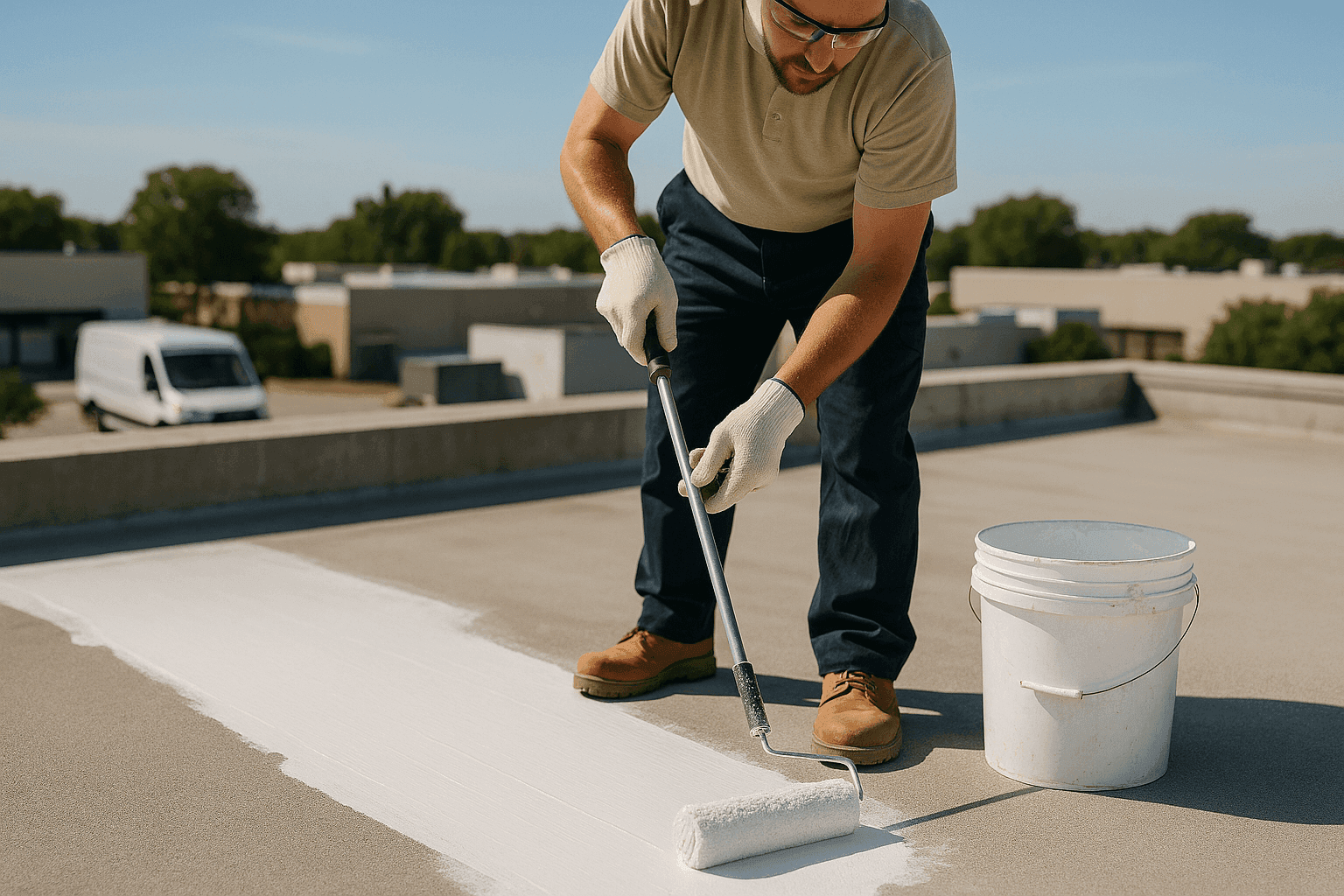
Is your roof ready for the next downpour—or the next heatwave? Most homeowners and small business owners don’t think about roof coatings until it’s too late. But that thin layer can be the difference between a quick fix and a costly emergency roofing call.
At Rane Roofing, we’ve seen firsthand how the right coating can extend a roof’s life, save energy, and protect everything underneath. Let’s break down how to choose the best one for your needs.
What Are Roof Coatings—and Why Do They Matter?
Think of a roof coating as your roof’s raincoat. It shields your home or business from harsh sun, pounding rain, and biting cold. But it’s more than just a cover. The right coating:
- Seals out water and stops leaks before they start
- Reflects UV rays, lowering indoor temperatures and energy bills
- Adds years to your roof’s life, reducing waste and replacement costs
The National Roofing Contractors Association (NRCA) and the International Building Code (IBC) both recognize coatings as a vital part of roof maintenance. They’re not a luxury—they’re smart protection.
Common Types of Roof Coatings 🛡️
Different roofs need different armor. Here’s a quick guide to the most popular types:
Acrylic Coatings
- Best for: Sloped metal roofs, single-ply, and older asphalt roofs
- Benefits: Water-based, easy to apply, highly reflective, budget-friendly
- Drawbacks: May lose thickness in standing water, not ideal for flat roofs with ponding
Silicone Coatings
- Best for: Flat or low-slope roofs, areas with heavy rain or ponding water
- Benefits: Excellent water resistance, UV stable, flexible in extreme temps
- Drawbacks: Can attract dirt, may be slippery when wet, usually pricier
Elastomeric Coatings
- Best for: Most roof types, especially where flexibility is key
- Benefits: Expands and contracts with temperature swings, resists cracking
- Drawbacks: Needs proper prep, may require thicker application
Polyurethane Coatings
- Best for: High-traffic roofs, commercial buildings, areas with hail or impact risk
- Benefits: Tough, abrasion-resistant, handles foot traffic and mechanical stress
- Drawbacks: Strong odor during application, often requires professional installation
How to Assess Your Roof Before Choosing a Coating
Not all roofs are created equal. Before picking a coating, check these:
- Material: Is your roof metal, asphalt, tile, or something else?
- Condition: Are there cracks, leaks, or soft spots? Coatings can’t fix structural issues.
- Age: Older roofs might need repairs before coating.
- Slope: Flat roofs often need waterproof coatings; steep roofs focus on UV protection.
- Climate: Hot and sunny? Go for reflective. Wet and rainy? Prioritize water resistance.
Tip: A professional inspection can reveal hidden problems—think of it as an annual checkup for your roof.
Quick Safety Checklist
Before any roof work, safety comes first. Here’s what to keep in mind:
- Wear slip-resistant shoes and gloves
- Use stable ladders and harnesses if needed
- Check the weather—never coat in rain or high winds
- Follow manufacturer’s instructions for handling and disposal
- Keep kids and pets away from the work area
The Occupational Safety and Health Administration (OSHA) provides guidelines for safe work at heights. Don’t cut corners—falls are no joke.
DIY vs. Call a Pro
Some coatings look simple to apply. But is it worth the risk? Here’s how to decide:
DIY Might Work If:
- Your roof is small, low, and easy to access
- You have experience with home repairs
- The coating is water-based and safe for DIY use
Call Rane Roofing If:
- Your roof is steep, tall, or has lots of obstacles
- There’s existing damage or leaks
- You want warranty-backed work and peace of mind
A pro brings the right tools, training, and safety gear. They’ll spot issues you might miss—and apply coatings to industry standards.
What Pros Do On Arrival
When Rane Roofing arrives, here’s what happens:
- Inspection: We check for leaks, soft spots, and hidden damage.
- Prep Work: Cleaning, minor repairs, and making sure the surface is ready.
- Choosing the Right Coating: Based on your roof’s material, pitch, and local climate.
- Application: Using professional sprayers or rollers for even coverage.
- Final Check: Ensuring no missed spots, proper curing, and a tidy site.
We follow guidelines from the National Roofing Contractors Association and manufacturer specifications for every step.
Seasonal Considerations for Application
Timing matters. For best results:
- Spring and Fall: Mild temps and low humidity are ideal. Coatings cure evenly, and rain is less likely.
- Summer: Hot roofs can make coatings dry too fast or bubble—work early or late in the day.
- Winter: Cold slows curing, and ice is dangerous. Some products can’t be applied below certain temps.
Check product labels for temperature and humidity limits. Patience pays off.
Maintenance Tips for Maximum Protection
A roof coating isn’t “set it and forget it.” Keep it strong with:
- Annual inspections—look for cracks, blisters, or worn spots
- Cleaning off leaves, branches, and debris
- Touching up any damaged areas right away
- Watching for ponding water and clearing gutters
The International Code Council (ICC) recommends routine maintenance for all roof systems. It’s the best way to avoid surprise leaks.
Costs & Time Factors
Roof coatings are an investment, not just an expense. Here’s what affects the price and timeline:
- Size: Bigger roofs need more material and labor
- Type of coating: Silicone and polyurethane usually cost more than acrylics
- Prep work: Repairs and cleaning add to the bill
- Access: Steep or high roofs take longer and need more safety measures
Most coatings last 5–20 years, depending on type and conditions. That’s a lot of protection for the price of a single emergency roofing call.
When It’s an Emergency
Storm just hit? Water pouring in? Here’s what to do:
- Stay safe—don’t climb on a wet or damaged roof
- Move valuables away from leaks
- Call Rane Roofing for emergency roofing services
Coatings can help prevent emergencies, but if you’re already in trouble, fast action matters. We handle urgent repairs and temporary protection until a permanent fix is possible.
FAQ: Roof Coating Questions Answered
How long does a roof coating last?
Most high-quality coatings last 10–20 years with proper maintenance. Some, like silicone, can go even longer if inspected and touched up regularly.
Can I coat over an old roof?
Often, yes—but only if the roof is structurally sound. Coatings won’t fix rotten decking or major leaks. Always repair first, then coat.
Are roof coatings eco-friendly?
Many are. Acrylic and elastomeric coatings are water-based and low in VOCs (volatile organic compounds). Some reflect sunlight, cutting energy use and reducing your carbon footprint.
Do coatings work on all roof types?
Most, but not all. Metal, flat, and low-slope roofs are ideal. Tile and shingle roofs need specific products. Always check compatibility or ask a pro.
Special Considerations for Roof Coating Services
- Building Codes: Always follow the latest International Building Code (IBC) and manufacturer instructions.
- Warranty: Some coatings require professional installation to maintain the product warranty.
- Weather: Never coat right before rain or during high humidity.
- Eco-Friendly Options: Ask about “cool roof” coatings that reflect heat and cut energy bills.
A little planning—and the right coating—can turn your roof into a fortress against the elements.
Ready to protect your investment? Call Rane Roofing now — or reach us anytime at 888-984-8044 .