Gutter Installation 101: Protect Your Roof and Foundation
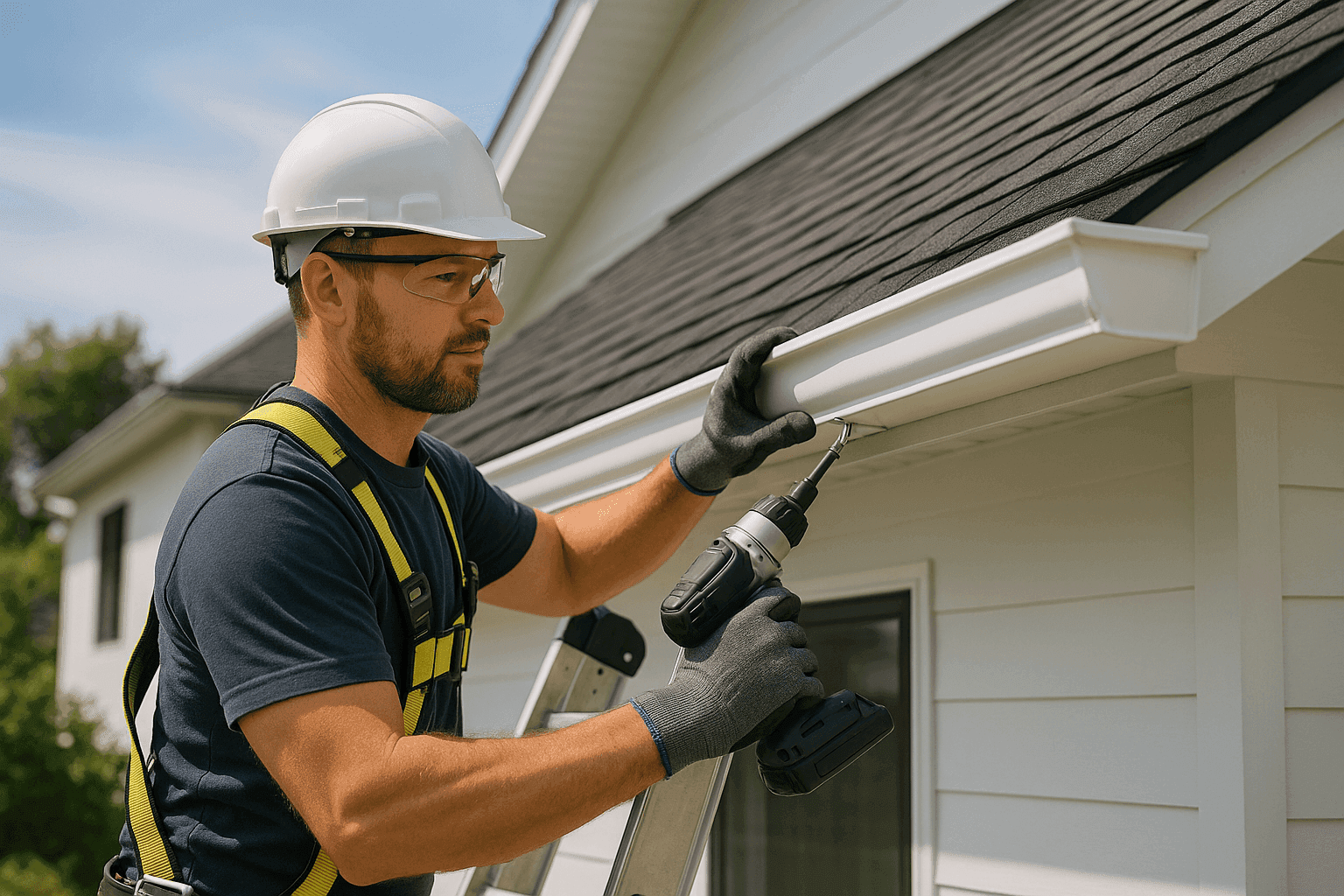
When the sky opens up, your roof and gutters become the first line of defense between your home or business and a costly mess. One clogged or broken gutter can turn a mild rain into a basement flood or cracked foundation. At Rane Roofing & Gutters, we know how quickly emergency roofing calls happen after a storm—and how a well-installed gutter system can prevent most of them.
Gutters might seem simple, but there’s real skill behind keeping water flowing where it should, especially with all the rain, snow, and leaves the seasons throw at us. If you’re looking for peace of mind (and dry foundations), let’s dig into the essentials of gutter installation and care.
Why Gutters Matter 🌧️
Gutters are like the veins of your home’s roofing system. They quietly move gallons of water away from your roof, siding, and foundation every time it rains or snow melts. Without gutters, or with poorly installed ones, water becomes a wrecking ball:
- Erodes soil around your home
- Causes basement leaks and foundation cracks
- Warps siding and rots windowsills
- Damages landscaping, walkways, and driveways
- Leads to mold, mildew, and wood rot in attics and walls
Whether you’re dealing with heavy summer downpours or snowmelt in spring, gutters make the difference between a quick sweep and a major cleanup.
Types of Gutters
No two properties are exactly alike. That’s why there’s more than one kind of gutter out there. Choosing the right type is just as important as the installation itself.
Seamless vs. Sectional Gutters
- Seamless Gutters: Custom-fitted to your home or business. Fewer seams = fewer leaks. Made on-site, usually from aluminum.
- Sectional Gutters: Come in pre-cut lengths joined together. More seams mean more risk of leaks over time. Easier for DIY, but not as durable.
Materials
- Aluminum: Lightweight, rust-resistant, and affordable. The go-to for most residential jobs.
- Steel: Strong and handles heavy snow, but can rust if not properly coated.
- Copper: Beautiful, long-lasting, and expensive. Often seen on historic or statement homes.
- Vinyl: Budget-friendly and easy to install, but can crack in extreme cold or heat.
Shapes
- K-Style: Looks like crown molding. Holds more water, popular for homes.
- Half-Round: Rounded, classic look. Often used on older or custom homes.
- Box Gutters: Common on commercial buildings and flat roofs.
Downspouts
Don’t forget these vertical pipes! Downspout installation or repair is just as crucial—otherwise water can pool right where you don’t want it.
Installation Process
Installing gutters isn’t just hanging a metal trough. Here’s what it actually takes:
- Measure and Plan: Accurate measurements mean proper drainage. Slope is key—gutters need a slight tilt (about 1/4 inch per 10 feet).
- Choose Placement: Gutters should extend past the roof’s edge but not so far that water overshoots.
- Secure Brackets: Attach hangers or brackets to the fascia board every 2–3 feet for support.
- Cut and Fit Gutters: For seamless, gutters are cut on-site. Sectionals are pieced together with connectors.
- Seal Joints and Ends: Every seam or end cap is carefully sealed to block leaks.
- Attach Downspouts: Secure and direct water at least 6 feet away from the foundation.
- Test with Water: Pour water into the gutter to check for leaks and proper flow.
Professional installers will also look at roof pitch, landscaping, and regional weather to fine-tune your system.
DIY vs Pro Installation
Gutter installation looks straightforward, but like replacing brake lines or rewiring an outlet, it’s trickier than it seems.
DIY: What to Know
- You’ll need ladders, drills, saws, and a good head for heights.
- Mistakes in slope or hanger placement lead to water pooling or sagging.
- Sectional gutters are more DIY-friendly but require careful sealing at every joint.
- Safety is a real concern. Falls from ladders are one of the top causes of home injuries.
Pro Installation
- Pros like Rane Roofing & Gutters bring years of experience, the right tools, and a sharp eye for detail.
- We source seamless gutters, custom-fit to your home or commercial building.
- Our crews handle everything—downspouts, Chimney Flashing near you, even tricky rooflines and emergency roofing needs.
- We offer product warranties and know local building codes (refer to the International Residential Code [IRC] and OSHA ladder safety guidelines).
Maintenance Tips 🧰
Even the best gutters need regular care. Here’s how to keep water flowing freely:
- Clean Gutters Twice a Year: Once in spring, once after leaves fall. More often if you have tall trees.
- Check for Clogs: Use a garden hose to test flow. Watch for water backing up.
- Inspect for Sagging or Damage: Look for bent hangers, separated joints, or rust spots.
- Seal Small Leaks: Gutter sealant can patch minor holes or cracks.
- Add Gutter Guards: Mesh or screen covers help block leaves and debris.
- Don’t Ignore Downspouts: Make sure water is moving away from your foundation.
Ignoring maintenance is like ignoring oil changes in your car—a disaster waiting to happen.
Regional & Seasonal Needs
Where you live shapes your gutter needs. In areas with heavy rain or snow, gutters must be robust and well-supported. For homes surrounded by large trees, gutter guards are almost mandatory—unless you love cleaning out leaves every other week.
- Snow & Ice: Install snow guards or heat cables to prevent ice dams.
- Heavy Rain: Make sure gutters are large enough (usually 5" or 6") to handle volume.
- Wind & Storms: Secure all attachments and check after major weather events for storm damage restoration needs.
Cost Range and Time Factors
Gutter installation costs vary—think of it like getting new tires. The size of your home, gutter material, and complexity of the roof all play a part.
- Materials: Vinyl is cheapest, copper is highest.
- Labor: Professional installation usually adds $5–$10 per linear foot.
- Average Range: Most homeowners spend between $1,200 and $2,500, but large commercial projects can run higher.
- Time: DIY projects might take a full weekend. Pros typically finish a standard home in a day.
Remember—cutting corners now can mean bigger bills later. Poor drainage leads to foundation repair, mold remediation, and emergency roofing calls.
Safety Cautions for DIY
Before you climb that ladder, take these safety tips seriously:
- Always use a sturdy, stable ladder—never balance on the top rung.
- Wear gloves and eye protection (metal edges are sharp).
- Work with a buddy. Never install gutters alone.
- Beware of power lines near your roof.
- Don’t attempt installations in wet, windy, or icy weather.
- Know your limits—sometimes calling a pro is the safest move.
For official safety guidance, refer to OSHA’s ladder safety resources and your local building codes.
FAQ ❓
How do I know if I need new gutters?
Look for rust, constant leaks, sagging, or water pooling near your foundation. Peeling paint or rot on fascia boards are also red flags.
Can gutters handle both rain and snow?
Yes, if properly installed and supported. Areas with heavy snow may need extra brackets or larger downspouts.
What’s the best gutter material for my area?
Aluminum suits most climates, but steel or copper may be better for snow-heavy or historic properties. Rane Roofing & Gutters can help assess your needs.
How often should gutters be cleaned?
Twice a year at minimum—more often if you have lots of nearby trees or after major storms.
When Is It an Emergency?
Some gutter problems can wait. Others can’t.
- Water pouring over the edge during rain
- Flooding in your basement or crawlspace
- Visible sagging or detachment from the roof
- Ice dams forming at the roof edge
These are signs to call Rane Roofing & Gutters for emergency roofing right away. Quick action can save thousands in repairs.
Local and Seasonal Considerations 🍁
In regions with heavy autumn leaves, spring pollen, or winter ice, gutter care is a year-round job. Schedule inspections ahead of storm season. After a major weather event, check for debris and damage—especially if you need Chimney Flashing near you or storm damage restoration.
If you’re building new or upgrading, ask about eco-friendly gutter options, like rainwater harvesting or permeable drainage.
When it comes to protecting your property, don’t let water take the wheel. The right gutters, installed and maintained, mean less stress and more savings. Rane Roofing & Gutters is here for all your gutter installation, roof flashing repair, and emergency roofing needs—rain or shine.
Call Rane Roofing & Gutters now — or reach us anytime at 888-984-8044 .