Eco-Friendly Roofing Options for Sustainable Homes
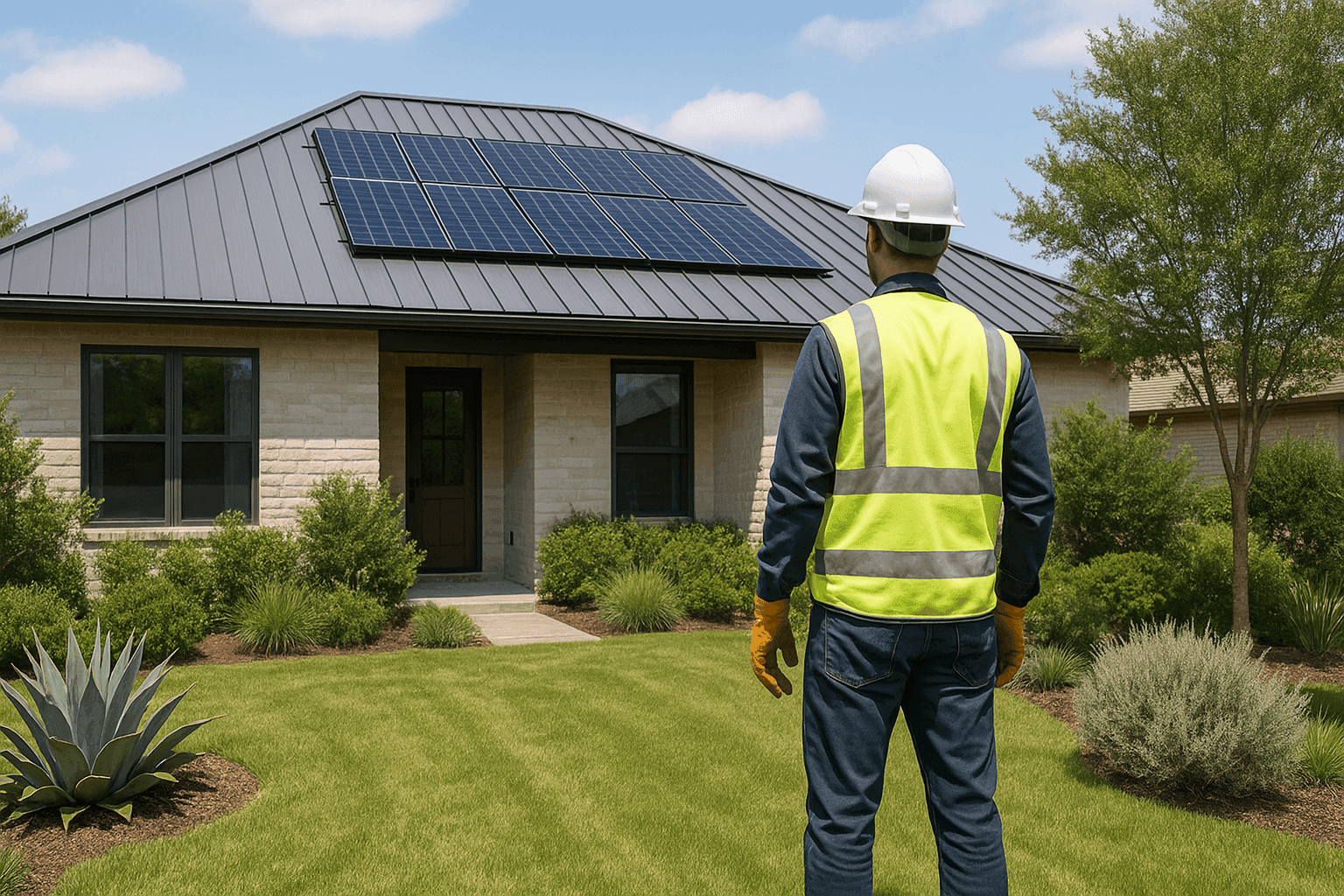
Stepping outside after a storm, you might look up and wonder—could my roof do more than just keep the rain out? Could it actually help the planet, lower bills, and last longer? At Rane Roofing & Gutters, we meet homeowners and business owners asking these questions every day, especially when emergencies strike.
When your roof needs urgent help, eco-friendly options might not be top of mind. But making sustainable choices—even during an emergency roofing project—can mean a safer, smarter investment for years to come. We’ve seen it firsthand across countless projects.
Why Choose Eco Roofing? 🌱
Imagine your home as a living, breathing shield. The right roof can keep your space cool in summer, warm in winter, and dry through wild storms. But it can also do much more: reduce your energy use, minimize waste, and even clean the air.
- Environmental Impact: Traditional roofing materials (like asphalt shingles) end up in landfills by the millions of tons every year. Eco-friendly roofs, by contrast, last longer and often use recycled or recyclable materials.
- Healthier Homes: Some options help filter pollution, block harmful UV rays, or reduce mold growth.
- Stronger Performance: Many sustainable roofs handle wind, hail, and heavy rain better than older materials. The payoff isn’t just green—it’s practical.
- Incentives: Energy-efficient roofs can qualify for local rebates, tax credits, and insurance savings, depending on your location. These benefits can add up quickly.
Top Sustainable Materials
What does an eco-friendly roof actually look like? You might imagine high-tech solar panels or lush gardens—but there are options for every style and budget. Here’s what we see working best for homes and businesses today.
Cool Roofs
Think of a cool roof like a white T-shirt on a hot day. These roofs reflect sunlight and heat, keeping your home up to 50°F cooler than traditional dark roofs (source: U.S. Department of Energy). They’re made with special reflective paint, membranes, or shingles.
- Best for: Hot climates, flat or low-slope roofs, commercial buildings.
- Emergency use: Quick to install during urgent repairs, helps cut AC costs right away.
Metal Roofing
Metal roofs have come a long way from old barn tin. Modern options use recycled content and can be recycled again when replaced. They’re tough as nails—resistant to fire, wind, and hail—and can last 40–70 years with minimal upkeep.
- Best for: Both residential and commercial, especially in areas with storms or wild temperature swings.
- Bonus: Many metal roofs work as cool roofs when painted with reflective coatings.
Solar Tiles
Solar tiles (or photovoltaic shingles) blend solar power with roofing. They look like regular shingles but generate electricity for your home. Installation takes planning, but the long-term savings and environmental impact are hard to beat.
- Best for: Sunny properties, new construction, full roof replacement.
- Considerations: Upfront cost is higher, but tax credits and incentives can help.
Recycled Shingles
Shingles made from recycled rubber, plastic, or wood fiber divert waste from landfills. They look surprisingly similar to traditional materials but last longer and weigh less.
- Best for: Homeowners who want a classic look with a green twist.
- Local angle: Check for products rated by the Cool Roof Rating Council or ENERGY STAR for your climate.
Green (Vegetative) Roofs
Picture a rooftop garden: layers of soil and hardy plants above a waterproof membrane. Green roofs absorb stormwater, insulate your building, and provide a habitat for pollinators.
- Best for: Flat roofs, urban settings, commercial buildings.
- Challenges: More structural planning, but unmatched for eco impact and beauty.
Cost vs Savings
Let’s be real: eco-friendly roofs sometimes cost more up front. But think of it like buying a fuel-efficient car. The savings—on energy, repairs, and insurance—keep rolling in over the years.
- Installation: Cool roofs and recycled shingles can be close in cost to standard options. Metal and solar tiles run higher, especially in emergencies when speed matters.
- Lifespan: Metal and tile roofs can last twice as long as asphalt. Fewer replacements mean less waste and long-term savings.
- Rebates & Credits: Many states and local utilities offer rebates for energy-efficient roofing (check the Database of State Incentives for Renewables & Efficiency - DSIRE). That can cut your real cost significantly.
- Insurance: Some insurers offer discounts for impact-resistant or fire-rated materials. Ask your agent.
Energy Efficiency and Rebates ⚡
Installing a reflective or insulated roof is like wrapping your house in a winter coat. In summer, you’ll run the AC less. In winter, heat stays inside. That means lower monthly bills and a lighter environmental footprint.
- ENERGY STAR-rated roofs can lower peak cooling demand by 10–15%.
- Solar roofing can slash or even eliminate your electric bill.
- Green roofs add insulation and reduce heating/cooling needs for the whole building.
Rebates & Incentives
Always ask about programs in your area. Federal tax credits for solar, local rebates for cool roofs, and even property tax incentives for green construction can make a huge difference.
Certifications and Performance
Look for:
- ENERGY STAR: For energy savings and quality.
- UL and FM Global ratings: For fire and wind resistance.
- Cradle to Cradle or LEED: For the most sustainable materials (especially for commercial projects).
Performance isn’t just about numbers—it’s about real-world results. At Rane Roofing & Gutters, we’ve helped families and businesses weather major storms with modern, eco-friendly roofs that held strong. Whether it’s a flat metal roof on a new office or leak repair using recycled shingles, we’ve seen these materials go the distance.
Climate-Appropriate Choices
Not every sustainable roof fits every climate. Here’s what to keep in mind:
- Hot, sunny areas: Cool roofs, metal, and solar tiles shine.
- Rainy or humid climates: Metal, tile, and green roofs resist mold and water damage.
- Storm-prone regions: Metal and impact-rated recycled shingles reduce emergency roofing needs.
- Cold zones: Green roofs and insulated options help keep heat inside.
Local building codes may set requirements for fire ratings, wind resistance, or stormwater management (see International Building Code and your city’s ordinances).
Real-World Tips
- Schedule regular inspections—even the greenest roof needs care.
- Clean gutters and downspouts often. Overflow undermines energy savings.
- Seal and coat vulnerable areas, like Chimney Flashing near you, with eco-friendly products.
- Plan ahead: If you’re facing an emergency roof replacement, ask about sustainable options right away.
Frequently Asked Questions
Are eco-friendly roofs as durable as traditional ones?
Yes—many eco-friendly materials (especially metal and recycled shingles) last longer and resist damage better than standard asphalt.
Can I make my existing roof more sustainable?
In some cases, yes. Cool roof coatings or solar panels can be added to existing structures. For best results, consult local codes and a licensed roofing contractor.
Do eco-friendly roofs require special maintenance?
No more than traditional roofs, but certain materials (like green roofs) need regular checks for drainage and plant health.
Is emergency roofing available for eco-friendly options?
Absolutely. At Rane Roofing & Gutters, we can install or repair many sustainable roofs during emergencies—often using the same rapid response as traditional materials.
Local & Seasonal Considerations
Climate matters. In hurricane zones, impact-rated metal or recycled shingles may make more sense than a green roof. In drought-prone areas, opt for drought-tolerant plants if you’re going green. Always check local codes for fire and wind requirements. Emergency roofing needs can strike anytime—choosing a resilient, eco-friendly option can make recovery easier and safer.
Choosing a sustainable roof is an investment in your home, your wallet, and the world around you. If you’re facing a leak, storm damage, or just want to upgrade, Rane Roofing & Gutters brings decades of hands-on experience with eco-friendly materials—on schedule, on budget, and always with the right fit for your climate.
Call Rane Roofing & Gutters now — or reach us anytime at 888-984-8044 .